 StAI Flow
Training 29 of 30
Safe driving for hotel work
Hospitality Safety Training · 29 of 30
Safe driving for hotel work
10 minutes
Section 1 of 4Understand the risk
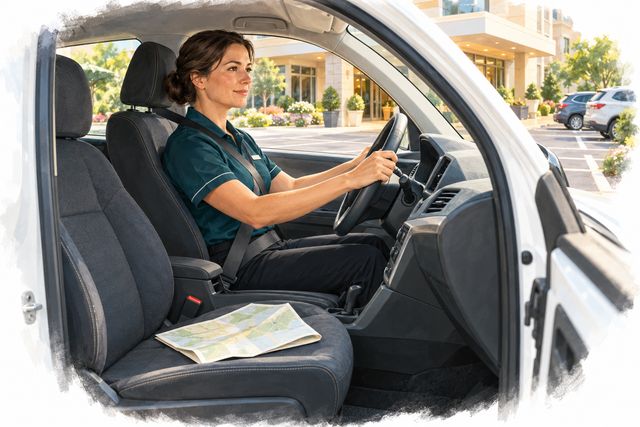
An airport pickup is running late. Does making up time justify rushing? Hotel errands and passenger trips share public roads with other drivers, cyclists and pedestrians. A short familiar journey still needs full attention.
Drive only when licensed, authorized and fit for the vehicle and task. Plan the route and allow time before setting off. Everyone needs a seat belt or appropriate child restraint before moving, even on a short trip.
Section 2 of 4Notice warning signs
Notice tiredness, difficulty concentrating or drifting from your lane. Alcohol, drugs and some medicines can impair driving; do not start or continue while impaired. Check medicine warnings before driving.
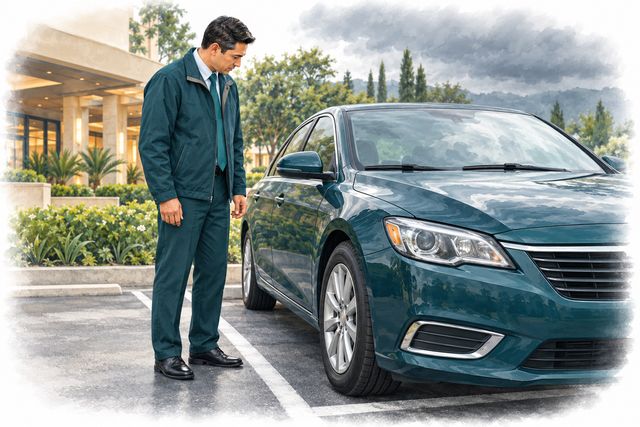
Before travel, check tires, lights, wipers and visibility using the vehicle instructions and hotel checklist. Report defects; do not use an unsafe vehicle. Rain, ice, darkness and poor visibility mean you may need more time, a different plan or no trip.
Section 3 of 4Choose a safer next step
- Set navigation while safely parked and put the phone away. Park safely before calls or messages; hands-free conversation can still distract.
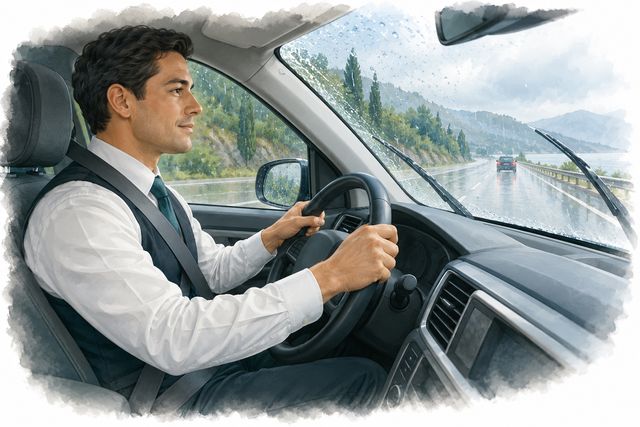
- Obey speed limits, scan ahead and leave room to stop. Slow down and increase following distance on slippery roads. If sleepy, impaired or conditions become unsafe, stop at a safe place away from traffic and arrange a safer plan.
Safety boundary: Discussion only: No driving, device-use demonstrations or vehicle repairs.
Section 4 of 4Practice the decision

Scenario: Before a rainy airport pickup, you feel sleepy. A colleague asks you to answer guest messages while driving. What changes?
Practice activity (4 min)
- Think 30 secIdentify the risk.
- Discuss 90 secAgree a safer plan.
- Compare 1 minCheck your plan below.
- Commit 1 minChoose your next-shift action.
Learner check
Based on the scenario above, what is the safest plan? Tap to reveal the answer.
Do not set off sleepy. Tell the duty manager and arrange a fit, authorized driver or delay. Keep messages for safely parked stops; check weather, vehicle and restraints.
Sources
Bonus resources
Free outside material to go deeper. These open on the publisher's site.
- Motor Vehicle Safety at WorkNIOSH (CDC) · Web page
- Distracted DrivingNHTSA · Web page (facts + tips)
- Motor Vehicle SafetyOSHA · Web page (topic hub)