 StAI Flow
Training 25 of 30
Hazard, near-miss and injury reporting
Hospitality Safety Training · 25 of 30
Hazard, near-miss and injury reporting
10 minutes

Section 1 of 4Understand the risk
A badly stacked box narrowly misses a housekeeper. Is a perfect score a reason not to report? Everyone reports hazards, close calls, injuries, and work-related illness.
8 / 24 hoursFederal employer deadlines for qualifying severe events
After employer knowledge: 8 hours for work-related deaths within 30 days of incident; 24 hours for inpatient treatment hospitalization, amputation, or eye loss within 24 hours of incident. Exceptions apply; designated representatives assess immediately. Workers should report promptly.
Section 2 of 4Notice warning signs
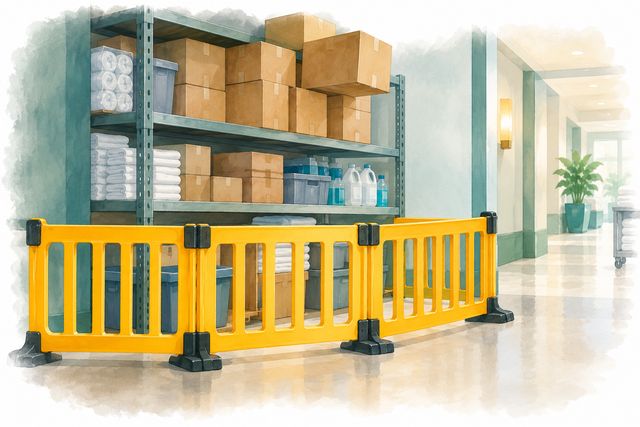
Loose rails, leaks, defective carts, blocked exits and unstable storage remain dangerous without injury. Delayed symptoms, fear, language barriers or perfect-score pressure deter reports. Guessed causes, broad medical disclosure and staged photos harm privacy, evidence and trust.
OSHA requires reasonable injury or illness reporting procedures and forbids retaliation; state and internal duties may exceed federal criteria. Reports are not automatic OSHA-log entries. Designated reviewers assess work-relatedness, recordability, severe-event timing, employer knowledge and exceptions.
Section 3 of 4Choose a safer next step

- Get clear, warn others safely, and call 911 and site help for emergencies; paperwork must never delay treatment.
- Report promptly: location, time, task, observed condition, affected people, and controls; update later symptoms through site channels.
- Use facts and approved privacy channels, request a corrective-action owner, and escalate unresolved danger through alternate contacts.
Safety boundary: Do not delay care, promise confidentiality beyond the process, assign blame, stage evidence, or decide regulatory recordability without designated review.
Section 4 of 4Practice the decision

Scenario: A badly stacked box misses a housekeeper. A coworker wants a perfect score. Turn “something nearly happened in storage” into a factual report.
Practice activity (4 min)
- Think 30 secIdentify the risk.
- Discuss 90 secAgree a safer plan.
- Compare 1 minCheck your plan below.
- Commit 1 minChoose your next-shift action.
Learner check
Based on the scenario above, what is the safest plan? Tap to reveal the answer.
Report the near miss, location, time, task, observed stack, and immediate restriction. Request inspection, a corrective-action owner, and closure feedback. Avoid blame or staged evidence.
Sources
Bonus resources
Free outside material to go deeper. These open on the publisher's site.
- Near Miss ReportingNational Safety Council (nonprofit) · Web page (short guidance)
- Report a Fatality or Severe InjuryOSHA · Web page
- Recordkeeping Forms (300, 300A, 301)OSHA · Web page (fillable forms)